
What Fannie Mae's New Condo Rules Mean for Buyers and Sellers (2026 Update)
What Fannie Mae's New Condo Rules Mean for Buyers (2026 Update)
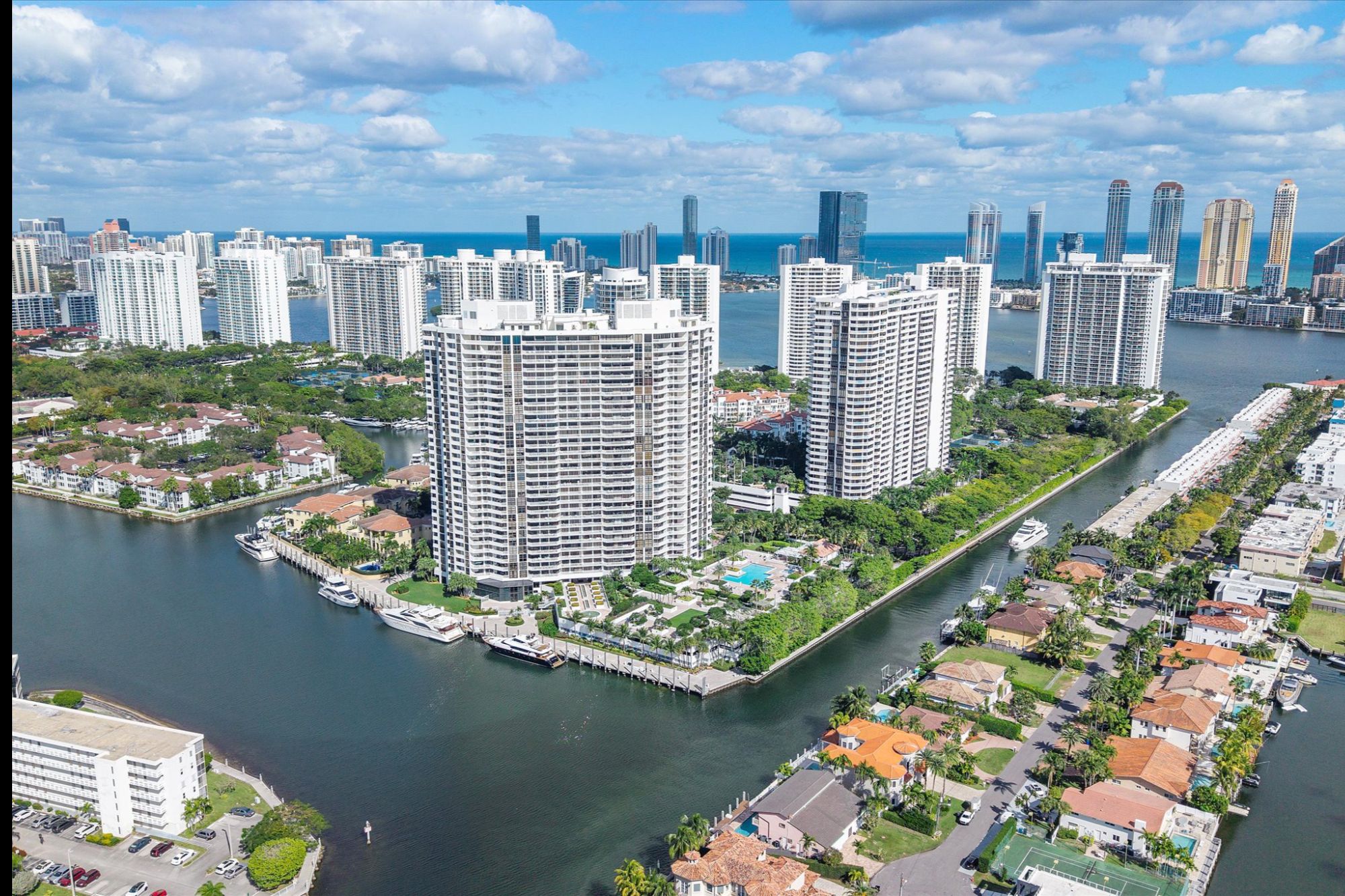
If you're shopping for a condo right now, there's a good chance your financing just got more complicated — or, in a few specific cases, easier. On March 18, 2026, Fannie Mae issued Lender Letter LL-2026-03, a sweeping overhaul of how condo projects get approved for conventional financing. Freddie Mac released a matching bulletin the same day, so these changes effectively apply across the conventional mortgage market.
Here's a plain-English breakdown of what changed, when it takes effect, and what it means if you're buying (or already own) a condo.
The headline change: "Limited Review" is going away
For years, buyers purchasing in an established condo building with a large enough down payment could often qualify through a fast-track process called Limited Review. It let lenders approve the loan without digging deeply into the HOA's finances — no thorough look at reserves, budgets, or deferred maintenance.
That shortcut disappears for loan applications dated August 3, 2026, or later. From that point on, nearly every condo loan in a project with more than 10 units will require a Full Review — meaning the lender has to examine the association's budget, reserve funding, delinquency rate, insurance coverage, litigation history, and any special assessments before approving the loan.
The only exception is an expanded Waiver of Project Review, now available to:
- New and established projects with 10 or fewer units
- Projects of 5–10 units, as long as they aren't part of a larger master association or multi-phase development
For everyone else, expect more paperwork, more scrutiny, and potentially longer closing timelines.
Reserve requirements are going up — a lot
This is the change condo boards are most worried about. Fannie Mae is raising the minimum reserve funding requirement from 10% to 15% of the association's annual budgeted assessment income.
- Effective date: loan applications dated on or after January 4, 2027
On top of that, when a lender relies on a professional reserve study rather than the flat percentage test, "baseline" funding plans no longer count. Lenders must now use the study's Threshold or Full Funding recommendation — the higher, more conservative numbers. This stricter reserve-study standard actually kicks in earlier, for applications dated August 3, 2026 or later.
Why it matters: Buildings that have been underfunding their reserves — a common way to keep monthly HOA dues artificially low — may suddenly find themselves ineligible for conventional financing, or forced into a special assessment to catch up. If you're eyeing a specific building, ask to see its most recent reserve study and budget before you fall in love with a unit.
Insurance rules are shifting too
A few notable changes here, all tied to loan applications dated July 1, 2026 or later:
- Master policy deductible cap: The per-occurrence, per-unit deductible on the building's master property insurance policy is now capped at $50,000.
- Individual unit owner (HO-6) insurance: If the master policy doesn't fully cover unit interiors, or if it carries a per-unit deductible, unit owners are now required to carry their own HO-6 policy — with a deductible capped at the greater of $2,500 or 5% of coverage.
- Master policy coverage sufficiency: The master policy must cover at least 100% of the estimated replacement cost of the project's common elements and structures.
On the more flexible side, effective immediately as of March 18, 2026: associations are no longer required to carry roofs at full replacement cost — actual cash value (ACV) coverage is now acceptable — and the mandatory inflation guard clause requirement has been dropped. Given how difficult and expensive condo insurance has become in many markets, this is meant to give associations some breathing room.
Good news: investor concentration limits are gone
Not every change tightens the rules. Effective immediately, Fannie Mae eliminated the 50% investor-concentration cap for established projects reviewed under Full Review on investment property loans. Buildings with a high percentage of renter-occupied units — which often struggled to get conventional financing approved — now have an easier path.
Two caveats to know:
- The rule requiring at least 50% of units to be sold (owner-occupied or otherwise) in new or newly converted projects is still in place.
- Per-owner concentration limits are unchanged: in 5–20 unit buildings, no single investor can own more than 2 units; in buildings of 21+ units, no single investor can own more than 20%.
The full timeline at a glance
| Date | What changes |
|---|---|
| March 18, 2026 | Investor concentration cap removed; ACV roof coverage allowed; inflation guard requirement dropped (all immediate) |
| July 1, 2026 | $50,000 per-unit master policy deductible cap; individual HO-6 insurance requirements; master policy coverage sufficiency rule |
| August 3, 2026 | Limited Review eliminated; expanded Waiver of Project Review for 10-or-fewer-unit projects; stricter reserve study standards (no more baseline funding) |
| January 4, 2027 | Minimum reserve requirement rises from 10% to 15% of annual assessment income |
What this means if you're buying a condo right now
- Ask for the HOA's financials early. Reserve studies, recent budgets, and delinquency rates can now make or break your financing — get them before you're deep into a contract.
- Watch the application date, not the closing date. Several of these rules are keyed to when your loan application is dated, not when you close. A loan applied for in June works under the old insurance rules even if it closes in August.
- Expect more documentation requests from your lender, especially after August 3. This isn't necessarily a red flag on your file — it's just the new normal for condo underwriting.
- If a building has historically underfunded its reserves, be prepared for the possibility of a special assessment, a financing snag, or both, as the association scrambles to meet the new 15% threshold before January 2027.
- Investor-heavy buildings that were previously hard to finance may now be back on the table — worth revisiting if you'd ruled one out before.
Categories
Recent Posts
GET MORE INFORMATION